

A practical service
Turn repetitive handoffs into workflows people can trust.
We redesign the process before automating it, keep ownership visible and give exceptions a safe route back to a person.
Short application. Human review. No access required.
Applications are open for future delivery windows
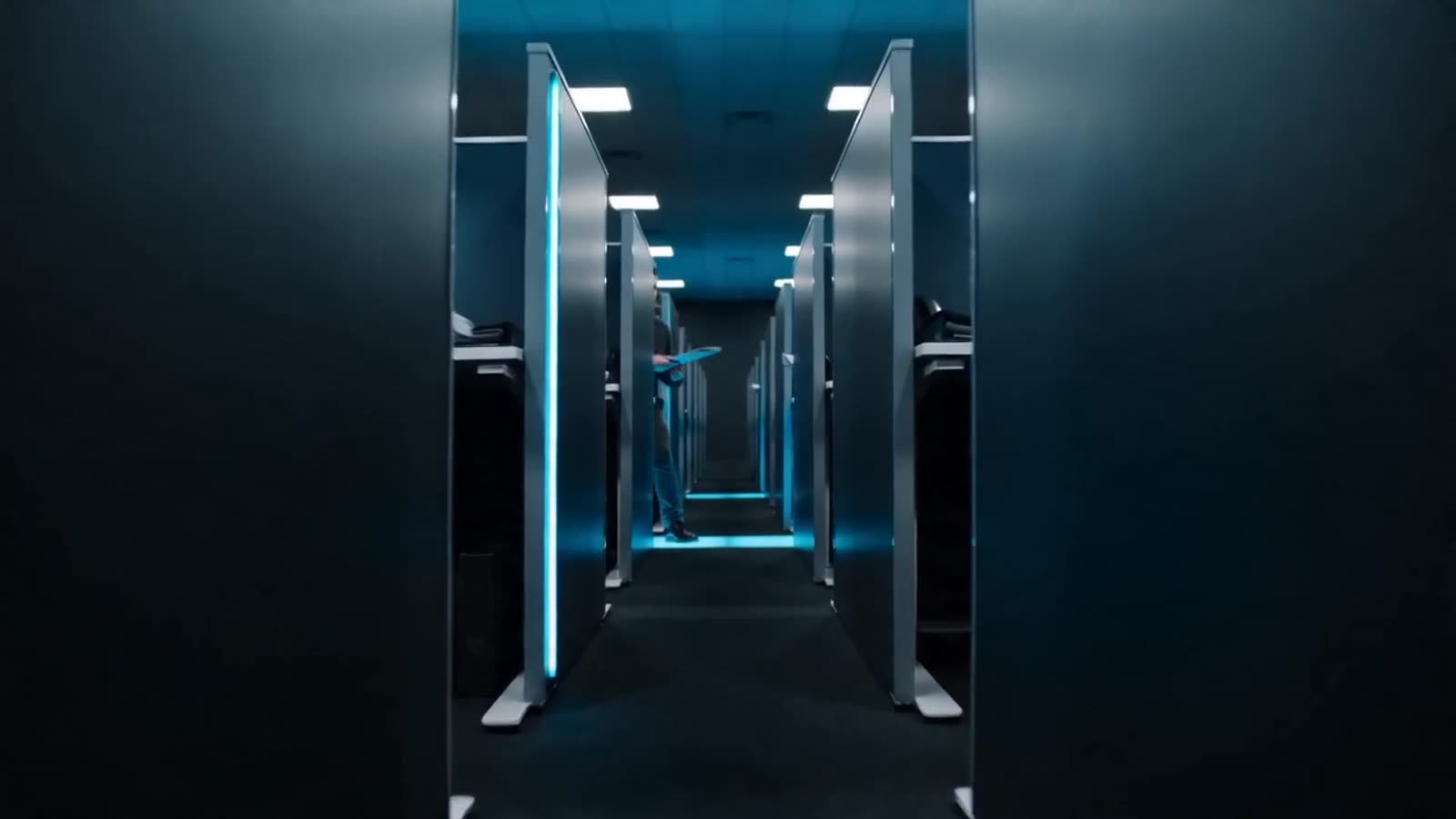
See the operating change
Watch manual handoffs become one owned route.
Transcript
Silent film. A fragile chain of manual handoffs becomes a visible workflow with ownership, human approval and a safe route for exceptions.
What this looks like in practice
You may recognise the pattern before you know its name.
- Approvals happen in email and are difficult to trace.
- The same information is re-entered across several systems.
- Recurring work depends on reminders and individual memory.
- Exceptions wait because nobody owns the next decision.
Tangible outputs
What you leave with, and what it changes.
Choose a working sheet to follow its line into the operating consequence.
The Think.Go. method
Strategy stays connected to delivery.
- Think
Observe the work, decisions, systems, exceptions and business impact.
- Shape
Redesign the process and define where automation and human control belong.
- Go
Build, test, document and stabilise the workflow in daily use.
Example: An approval hidden in email
A supplier invoice may pass between several inboxes while finance waits for a decision and nobody can see its status. Blue Hybrid could create a controlled intake, approval and exception workflow that preserves the evidence and ownership.
Apply to work with Blue HybridUseful questions
Before we start.
Do you automate the process as it exists?
Not automatically. Mapping first helps remove unnecessary work and prevents a weak process from becoming a faster weak process.
Can the workflow include human approval?
Yes. Human decisions, segregation of duties and exception handling can remain explicit parts of the design.
Which tools can be involved?
The design may include Microsoft 365, Power Automate, forms, CRM, finance, portals and other systems already used by the business.
Bring us the problem. We will work out the practical next move.
Applications stay open for future delivery windows.
What happens next
- Share the problem, timing and intended outcome
- We review mutual fit and delivery capacity
- If aligned, we invite the next conversation